
Where Risk Really Lives: Inside the World of Risk Consulting
Risk is one of those words everyone thinks they understand — until they work in insurance. The industry tends to treat risk as something quantifiable, modeled, neatly defined in spreadsheets and loss curves. But step onto an actual site — a mine, a factory, a processing plant — and you realise risk is not theoretical. It’s physical, cultural, operational, and deeply human. This is where risk engineers come in: the people who bridge the gap between underwriting models and on-the-ground reality.
The episode highlights a truth that rarely makes it into marketing decks: insurance is built on a guess, and risk engineers refine that guess using real-world evidence. They walk through facilities, study processes, identify bottlenecks, examine equipment, evaluate natural catastrophe exposure, and assess fire protection readiness. They’re the only people in the insurance value chain who actually see the risk before it becomes a claim. They don’t decide premiums — reinsurers do that — but their reports shape the story brokers present to underwriters: what’s working, what’s broken, and what could go wrong.
A defining part of risk engineering is its narrative power. For a client who suffered a fire three years ago, the story matters: “We’ve installed sprinklers, built fire compartments, improved training, introduced drills, upgraded equipment.” That transformation helps underwriters understand not just what the risk is, but what the company has become. But when nothing has changed, the story becomes equally important — and much harder to tell. Risk engineers must be factual, brutally honest, and consistent; one flawed report can ruin credibility not just for the engineer but the entire brokerage.
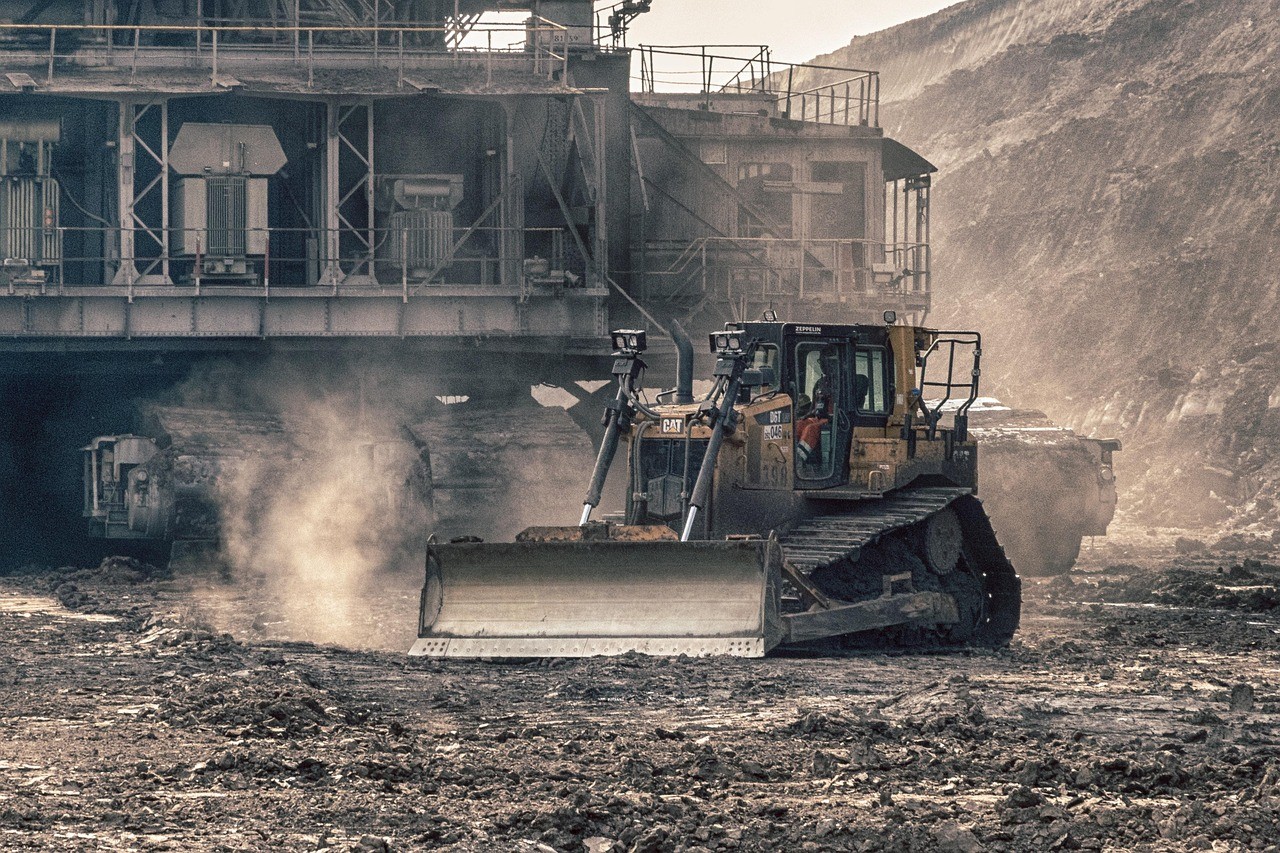
One of the most misunderstood forces shaping commercial insurance is business interruption (BI) — the financial catastrophe that unfolds when operations halt. In industries like mining, BI often dwarfs property damage. The biggest threat isn’t flames; it’s downtime. A single excavator with an 18-month lead time or a transformer sitting at the end of a two-year global backlog can cripple production. A mine can be fully intact yet financially devastated simply because one irreplaceable machine failed.
This is where culture becomes inseparable from risk. Two companies mining the same metal with the same equipment can have entirely different BI risk profiles depending on how they prepare. Some keep critical spares, track equipment health, and understand the consequences of downtime. Others operate reactively, unaware of how vulnerable their processes are. Risk culture is not something you can measure with a ruler, yet it’s often more predictive of loss than any technical spec.
Technology is reshaping the field, but not replacing it. Satellite imagery monitors tailings dams in real time, piezometers track pressure deep underground, and drones scan rooftops no engineer can safely reach. Some insurers use water-leak sensors, telematics, or even 360° mapping to enhance underwriting insight. Mining companies now test autonomous haul trucks, freeze the ground to stabilise mines, and embed advanced monitoring systems into their infrastructure. But as sophisticated as these tools are, technology can’t replace the human element: the conversations, observations, and nuance that define risk consulting. A drone can capture an image — it can’t understand why a process bottleneck exists or why a maintenance program is failing.
In the UK, insurance is treated as a strategic necessity — an industry woven into the country’s economic fabric. People enter the field straight from school, build dynasties, and see insurance as a craft. In places like Canada, insurance is often seen as a necessity rather than a profession, with far less awareness of its strategic importance. That cultural gap affects responsiveness, compliance, and even the relationship between engineers and clients.
Risk engineering sits at a fascinating crossroads in insurance: technical, commercial, operational, and human. It’s part detective work, part engineering, part diplomacy. It’s about identifying what could go wrong, explaining it clearly, and helping both clients and insurers understand the stakes. At its core, risk engineering isn’t about predicting loss — it’s about preventing it. It’s where insurance stops being theoretical and becomes real.
Listen to the full conversation on the Coverage & Coffee Podcast to explore how risk engineering shapes underwriting, protects operations, and reveals the unseen vulnerabilities behind every insured business.